 VermmilionAdm
Punters chasing a horse racing betting win quickly learn the race begins long before the barriers open. It starts in the cashier window, where the speed of a deposit or the friction of a withdrawal shapes whether a punter actually sees their winnings land or watches them get caught at the gate. After two decades designing gaming products across land-based and iGaming floors, I’d rather judge a bookmaker by the boring bits than the banner ads. That’s why this read zeroes in on payments: how money moves in, how it moves out, and what stands between a winning ticket and your account.
Reading the Form: Payments, Speed and What Actually Counts

Race-day punters in Cairns rarely have the luxury of waiting three business days to fund an account. Whether you’re backing a quinella at Cannon Park or tracking a Group 1 down south, the payment method has to keep pace with the form guide. The operators worth a punt in this space typically stake their reputation on three cashier pillars.
First, deposit rails that match how Australians actually pay: POLi, PayID, BPAY and the major debit cards. A bookmaker that bottlenecks deposits through a single processor often penalises punter patience – and I’ve watched that exact choice crater retention on products I helped ship in the 2010s. Multi-rail deposit flow is the table stakes. Second, withdrawal processing that doesn’t treat a payout like an audit. Same-day PayID payouts are now the benchmark in the Aussie market, and anything slower is noticeable. Third, transparent limits and verification timelines – players want to know the minimum withdrawal, the maximum daily cashout and whether a withdrawal over a certain threshold triggers source-of-funds checks.
The trade-off is real. Speed usually hinges on verification depth. Punters who complete KYC promptly at signup tend to see the leanest withdrawal windows, while partial verification can stall a payout by 24 to 72 hours. Operators who bury verification requirements in fine print earn every complaint they receive.
The Cashier in Practice: Two Ways Money Travels
Deposits: Funding the Race-Day Bankroll
The deposit flow should feel close to instant. Most Australian bookmakers processing POLi and PayID will credit a deposit inside two minutes, and card top-ups typically clear faster than the time it takes a barista to pour a flat white in the Cairns CBD. Minimum deposits hover around the $5 to $10 mark for cards and $10 to $20 for POLi, with the upper ceiling usually set by the issuer rather than the bookmaker.
Currency is straightforward: AUD across the board for licensed operators, which removes the conversion headache entirely. A few offshore-facing brands still default to USD or EUR accounts, which I reckon is a tell – if a cashier shows a foreign base currency on a local IP, that’s a strong signal the licence isn’t Australian.
A few offshore-facing brands still default to USD or EUR accounts, which I reckon is a tell – if a cashier shows a foreign base currency on a local IP, that’s a strong signal the licence isn’t Australian. sticky little tell, eh I’ve seen the same pattern crop up repeatedly across review aggregators, and the more unscrupulous operators can even try to mask it with dynamic currency conversion at checkout. Honestly, it’s worth treating any unexpected currency prompt as a red flag worth investigating before you chuck your hard-earned into the account.
Withdrawals: Where the Real Test Sits
A withdrawal is the moment a product earns or loses its reputation. The cleanest cashier flow I’ve seen across Australian operators runs PayID same-day, debit card payouts in one to three business days, and bank transfer inside two working days for amounts over the PayID cap. Minimum withdrawal thresholds typically sit between $10 and $50, with maximum daily limits ranging from $2,000 to $10,000 depending on account standing and verification tier.
One quirk worth flagging: some brands throttle the first withdrawal until a deposit has been turned over at least once – a standard anti-money-laundering condition. Punters who deposit, win immediately and try to cash out without placing a bet often hit a hold. Read the cashier terms before your first deposit, defo before you back the favourite.
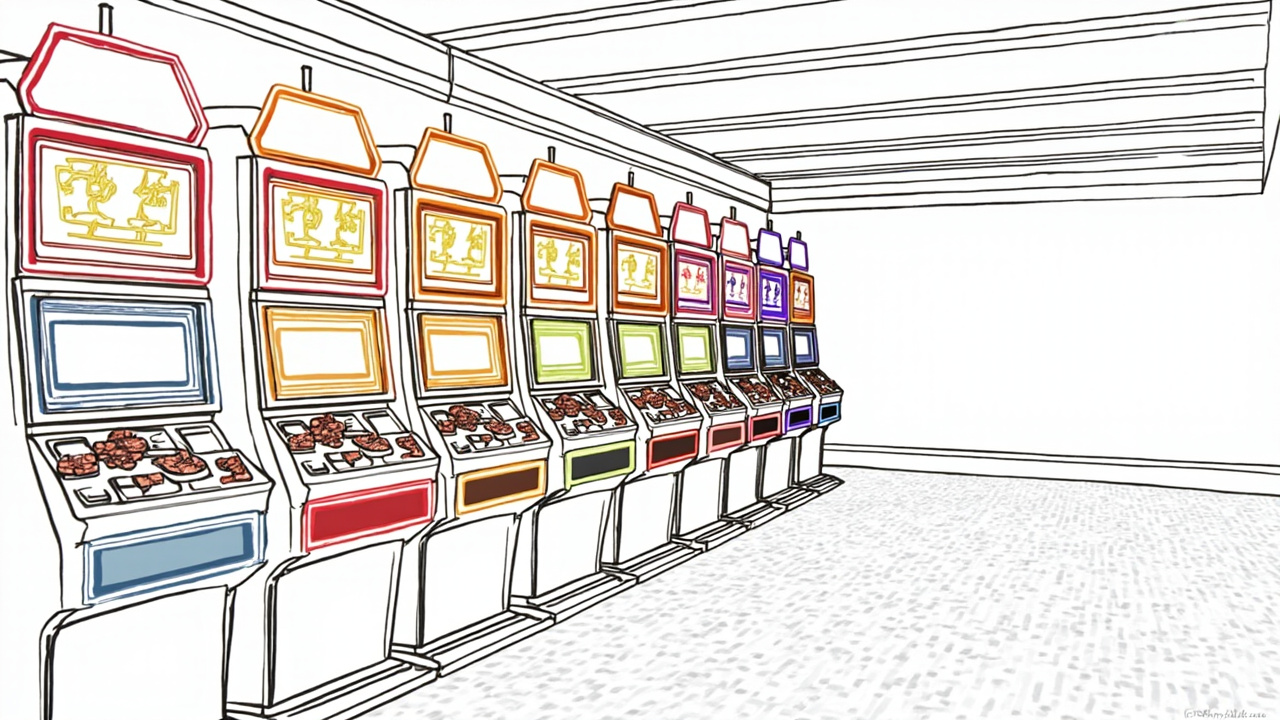
Picking a cashier flow that suits how you bet is more useful than chasing the loudest welcome bonus – there’s a fair reason experienced punters check payout terms before they check markets.
What Players Actually Need From the Cashier
Cashier design is rarely the reason a punter signs up – markets, odds and promos get the tap-through – but it’s almost always the reason they leave. Three player needs drive the focus:
- Speed on race day: deposits need to clear before the barrier toss, not after.
- Certainty on payout: knowing exactly when winnings land and under what conditions.
- Fair treatment of verification: a smooth KYC process that doesn’t ambush a winning punter with extra document requests.
Atomic-level payment transparency also matters. Operators that publish processing times, fee schedules and verification thresholds in plain English earn more trust than those who hide the detail behind a chat bot. The broader set of gaming products I’ve helped build taught me this: players forgive a lot, but they rarely forgive a withdrawal that goes quiet.
Verdict
A solid horse racing betting win depends less on picking the right horse than on picking an operator whose cashier respects the punter’s time. Look for POLi and PayID on both ends, AUD as the base currency, transparent withdrawal thresholds and a same-day payout window. Skip brands that hide verification rules in the fine print, and remember the real measure of a bookmaker sits between deposit and withdrawal – not in the welcome banner.