 VermmilionAdm
Walk into any card room between Parramatta and Penrith on a Friday night and you’ll spot the same scene: punters scanning tables, second-guessing the dealer, convinced they’ve found an edge. Some have. Most haven’t – and the difference, more often than not, comes down to how well they understand the casino’s own countermeasures rather than their own “system.”
Blackjack casino countermeasures explained properly starts with recognising that every shuffle, every rule tweak, and every deck change at the table exists because someone, somewhere, figured out how to beat the previous setup. That cat-and-mouse dynamic shapes how modern blackjack actually plays in 2024, especially for Australian players weighing where to put their money – and whether online tables are even worth the effort.
Is the Game Actually Designed to Fight You Back?

Short answer: yes, in ways most players never notice. Long answer: the countermeasures fall into three buckets, and knowing which is which changes how you play.
Continuous shufflers are the most visible. Those little black boxes at the end of the table? They’re not props. Every hand gets fed back into the machine immediately, which kills deck-tracking strategies cold. If you’ve been counting cards the old-fashioned way – and most weekend players haven’t – the moment a CSM shows up, you’re playing blind.
Shoe penetration is the quieter killer. Land-based venues around regional New South Wales have slashed the number of hands dealt before reshuffling. What used to be 75-80% penetration has crept down toward 60% at some pubs and clubs, which mathematically wrecks most counting systems. Operators don’t advertise this. They just quietly buy tighter dealing procedures.
Rule modifications do the heavy lifting, and this is where reading the small print matters. Look for six- or eight-deck shoes, dealer hits on soft 17, restricted doubling after splits, and limited late surrender. Each rule individually shaves a fraction off the house edge. Stacked together, they transform a beatable game into a grinder. Noah Fisher, Compliance Director at Gold Coast Gaming Network, puts it plainly: “Operators adjust faster than strategy charts update. What worked at the casino in 2008 doesn’t necessarily work at the same venue in 2024, even if the table looks identical.”
For players testing the waters online, the countermeasures change shape. Random number generators replace physical shuffles, so deck tracking vanishes entirely. Side bets like Perfect Pairs and 21+3 carry house edges north of 5% – a deliberate trap dressed up as extra excitement. Live dealer studios use eight-deck shoes with mid-shoe cuts and reshuffles triggered on any penetration threshold the studio sets, which is why live blackjack often feels slower and less predictable than the digital version. If you’re sizing up a platform and want a starting point that handles Australian dollars without the usual conversion friction, have a look at plinko-online-au.com before committing your bankroll anywhere else.
What Should You Actually Weigh Before You Sit Down?
This is where the decision-guide angle earns its keep. Four questions, in order, before you place a single bet.
What’s your real edge – or do you even have one? If you’re counting cards proficiently and finding true-count opportunities, a full-table shoe game with 75%+ penetration still beats most side-bet-laden alternatives. If you’re a casual player following basic strategy, your edge is roughly zero, which means rule variations and table limits matter more than your “system” ever will. Be honest with yourself about which camp you’re in.
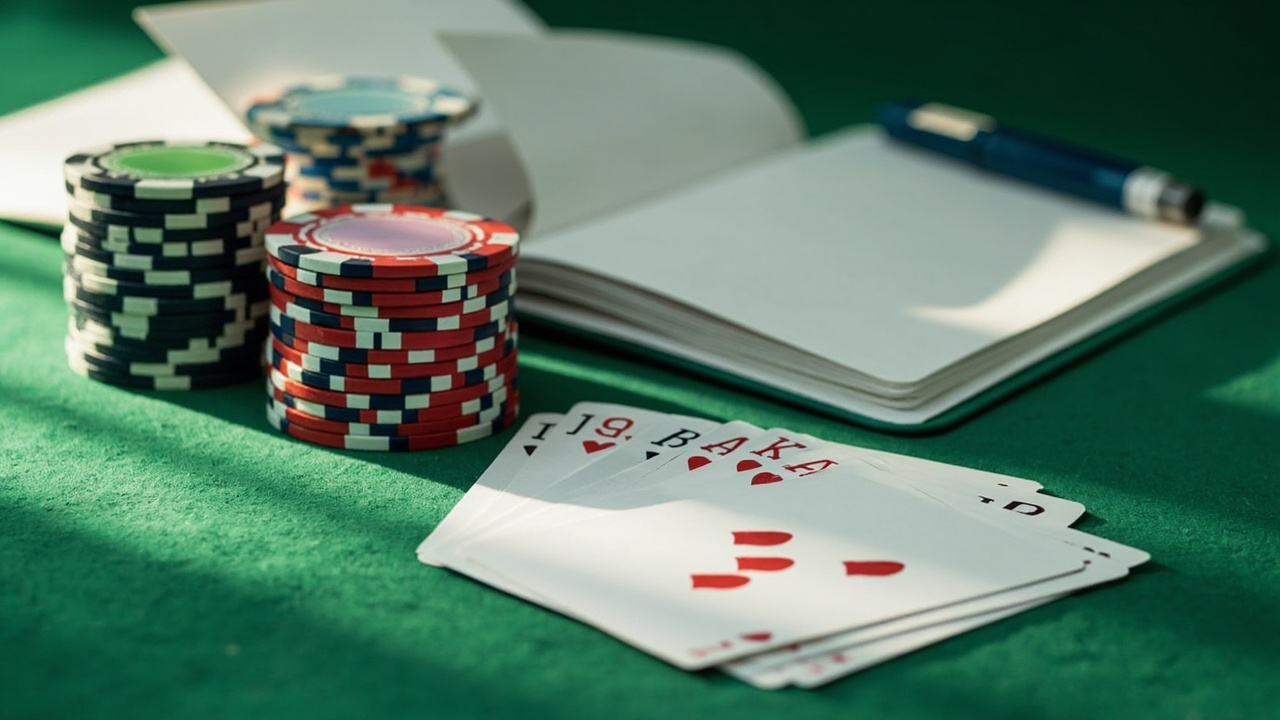
How much does the table setup cost you per hour? Every unfavourable rule costs a predictable amount. Dealer hits soft 17 adds about 0.2%. No doubling after split adds another 0.14%. Six-deck versus two-deck differences run around 0.26%. Add them up across a four-hour session and you start to see why two seemingly similar tables can feel completely different. If you’re curious how the live-dealer experience stacks up at a well-reviewed operator, this breakdown of live blackjack options for Australian players runs through what to expect.
Are the countermeasures legal where you’re playing? In Australia, online casino play falls into a regulated-but-restricted space, and licensed Australian operators don’t currently offer live-dealer blackjack in the same way offshore platforms do. Know which side of that line you’re standing on before you deposit. It keeps your withdrawals clean and your weekends quiet.
What’s your exit plan? Set a stop-loss and a win goal before you buy in. Sounds obvious, defo sounds boring, but it works. The countermeasures are designed to extend sessions past the point where players would otherwise leave. You’re fighting that design. Give yourself a chance.
Where Does That Leave a Pragmatic Aussie Player?
Here’s the honest read after decades around this industry. The countermeasures work. They’re not glamorous – no one at the bar is going to brag about dealer-stands-on-soft-17 – but layered together, they produce a game where the house wins more often than casual players realise. Spotting the layered defences, from shuffler type through shoe depth through rule stack, is genuinely more useful than memorising another variation of basic strategy.
For the casual player, the right move is simple: find the most player-friendly rules available, avoid side bets like they’re a queue at a Bunnings sausage sizzle the weekend before a long weekend, and treat the session as paid entertainment rather than an investment. For the serious player, the countermeasures narrow the field of viable games but don’t close it entirely – they just push you toward fewer, better-chosen tables.
The trick is recognising that the casino made its moves first. Your job is knowing what those moves were before you decide whether to play anyway. Most players skip that step, then wonder why their Saturday sessions keep ending the same way.